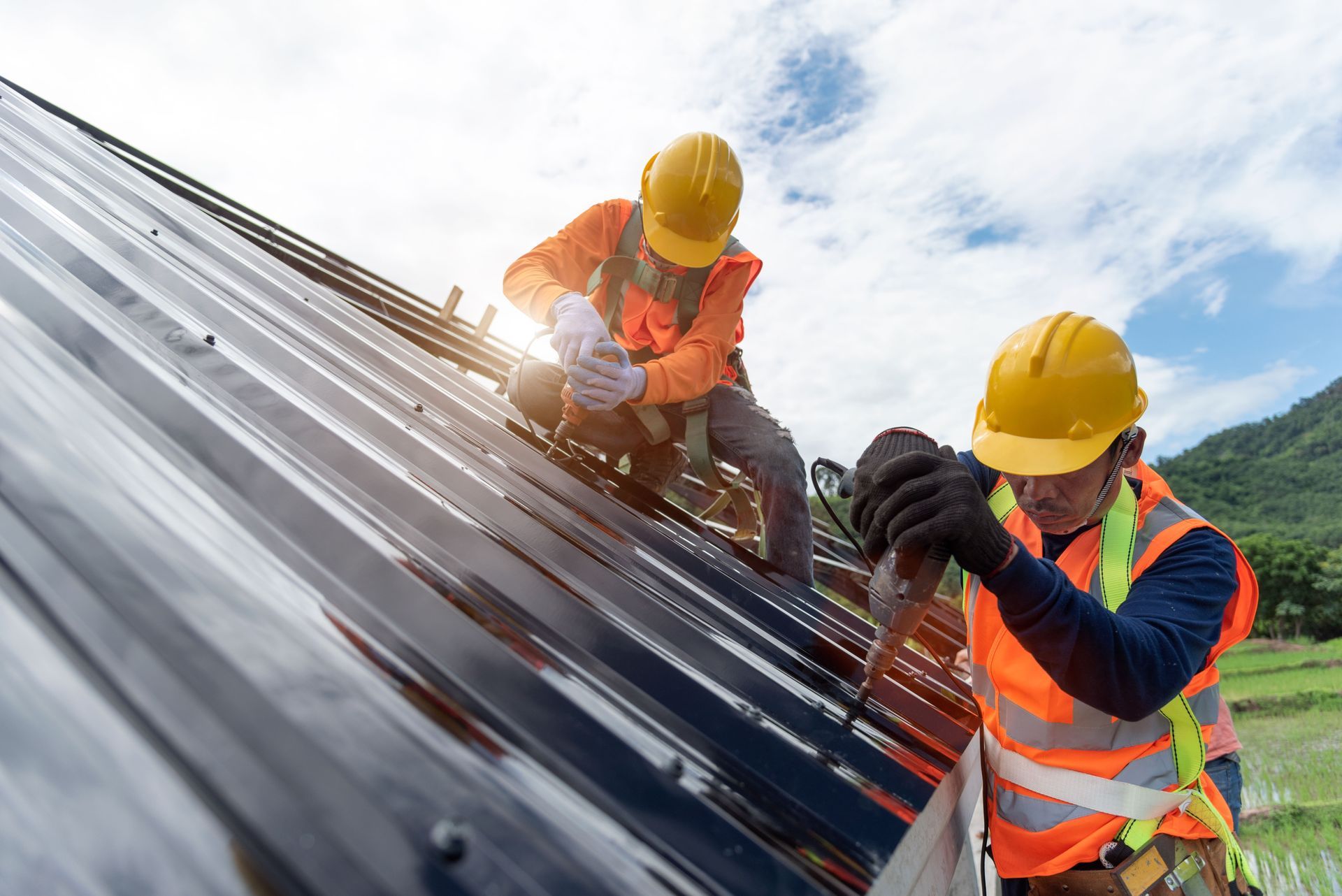
Maintaining a commercial building requires a continuous focus on structural integrity, weather resistance, and long-term asset management. Among the various components of a commercial structure, the roofing system stands as one of the most vital barriers against environmental elements, structural degradation, and high utility costs. When property owners and facility managers aim to protect this significant investment, they turn to experienced professionals to handle ongoing inspection, maintenance, and repair needs. Understanding how commercial roofers approach commercial roof maintenance provides valuable insights into the structured strategies, specialized techniques, and detailed schedules that preserve these complex architectural systems over time.
Commercial roofing differs dramatically from residential construction in scope, design, and material composition. While standard residential homes frequently rely on sloped architectures topped with traditional materials, commercial properties often feature vast flat or low-slope surfaces that demand distinct maintenance protocols. According to RubyHome, asphalt shingles are the most common roofing material, used in roughly 80% of roofing projects. While that stat highlights the dominant choice for residential homes, commercial properties lean heavily into specialized membrane technologies, multi-ply built-up layers, modified bitumen, and standing seam metal. Because commercial systems collect water differently, endure higher foot traffic, and support heavy mechanical equipment, dedicated commercial roofers utilize customized maintenance frameworks engineered to address these specific operational challenges.
Comprehensive Initial Inspections
The maintenance process for any commercial property begins with a thorough, methodical evaluation of the existing roof setup. Highly trained commercial roofers perform comprehensive initial inspections to establish an accurate baseline of the roof's physical health, structural condition, and potential vulnerabilities. During this foundational phase, technicians walk the perimeter and grid patterns across the roof surface to inspect every seam, flashing detail, expansion joint, and drainage point. They examine the condition of elastomeric membranes, looking closely for subtle signs of wear such as punctures, tears, shrinkage, blisters, or cracking caused by prolonged ultraviolet exposure. Specialized tools and rigorous inspection standards allow teams to detect minor surface defects long before they escalate into severe internal structural damage.
In addition to physical visual inspections, commercial roofers often incorporate advanced diagnostic technologies to locate hidden moisture trapped beneath the surface. Non-destructive testing methods, such as thermal infrared imaging and moisture metering, allow technicians to map out moisture pockets inside the insulation layers without tearing apart functional sections of the assembly. These thermal scans detect temperature differentials between wet and dry insulation, providing actionable data that guides targeted repairs before widespread rot or structural damage can occur. By documenting these initial findings in detailed digital reports, commercial roofers provide facility managers with a clear snapshot of current performance alongside clear recommendations for short-term fixes and long-term upkeep.
Water Management and Drainage Optimization
Water management represents one of the most critical aspects of commercial roof care, as standing water poses an immediate threat to the longevity of low-slope and flat roof structures. Professional commercial roofers focus heavily on ensuring that water flows freely off the building and toward designated drainage channels. Over time, leaves, windswept trash, dust, and rooftop debris accumulate around drains, scuppers, gutters, and downspouts. If left unchecked, clogged drainage paths cause water to pool on the roof surface, creating tremendous localized weight loads and increasing the risk of seam degradation or catastrophic structural leaks.
To mitigate drainage hazards, commercial roofers establish rigorous cleaning and clearing procedures during every routine maintenance visit. They clear all organic material and foreign objects away from primary drains and secondary overflow scuppers, ensuring that heavy rainfall can discharge quickly during intense storms. Technicians also evaluate the physical pitch and slope near drainage zones, checking for sagging or low spots where ponding water naturally collects. If ponding water remains on a roof surface for more than forty-eight hours after a rainfall event, commercial roofers recommend structural adjustments, localized tapered insulation fill, or elastomeric coating applications to eliminate the depression and prevent premature membrane breakdown.
Sealing Penetrations and Vulnerable Equipment Curbs
Commercial rooftops serve as functional platforms that host a wide variety of mechanical equipment, HVAC units, exhaust vents, skylights, pipes, and communication conduits. Each item that extends through the roof membrane creates a penetration point, which inherently becomes a vulnerable target for water infiltration if not properly sealed and maintained. Seasoned commercial roofers pay extra attention to these penetration sites during maintenance routines, knowing that the majority of commercial roof leaks originate around pipes, curbs, and flashing interfaces.
Maintaining penetration points involves examining the integrity of pitch pockets, caulk joints, counter-flashing, and rubber boots. Over time, continuous exposure to temperature fluctuations causes expansion and contraction, which can pull sealant away from metal pipes or split older flashing materials. Professional commercial roofers meticulously strip away deteriorated caulk, re-seal gaps with high-performance polyurethane or silicone sealants, and secure loose flashing components. They also check HVAC equipment curbs to confirm that vibration from heavy fans has not cracked surrounding membranes or loosened mechanical fasteners, ensuring that the entire interface remains watertight and structurally sound.
Seasonal Protocols and Preventive Care
Weather patterns vary dramatically throughout the year, subjecting commercial roofing materials to severe thermal stress, freezing temperatures, high winds, and blistering summer heat. To combat these environmental pressures, proactive commercial roofers design seasonal maintenance schedules tailored to spring and autumn transitions. Spring inspections focus primarily on identifying damage caused by winter freeze-thaw cycles, snow loads, and ice damming, while autumn visits prepare the building for upcoming winter storms by clearing fallen leaves and reinforcing vulnerable flashings. Establishing these twice-yearly checkups creates a reliable defense against unpredictable regional weather patterns.
During seasonal maintenance visits, commercial roofers perform localized preventive repairs that prevent small flaws from blossoming into expensive emergencies. They re-weld separated seams on single-ply membranes like TPO and EPDM, re-adhere loose membrane edges, top off pitch pans with specialized potting compound, and reinforce perimeter gravel stops. By applying these small, proactive interventions twice a year, commercial roofers protect the internal structural layers of the building, preserve energy efficiency by keeping insulation dry, and significantly extend the functional lifespan of the entire roofing assembly.
Strategic Asset Management and Lifecycle Planning
Beyond physical hands-on maintenance, commercial roofers serve as strategic advisors who help property managers navigate long-term budget planning and asset management. A well-maintained commercial roof can last twenty to thirty years or more, but achieving that maximum lifespan requires clear communication, detailed record-keeping, and scheduled financial forecasting. Professional roofers maintain thorough logs of every inspection, repair, equipment addition, and storm restoration event throughout the life of the roof.
This documented history enables commercial roofers to track the overall performance trend of the roof system as it ages. When a roof begins reaching the end of its design life, roofers use this data to advise building owners on the optimal timing for restoration coatings versus complete tear-offs and replacements. By combining regular physical maintenance with strategic long-term planning, commercial roofers ensure that facility owners minimize unexpected capital expenditures, maintain building safety, and preserve the physical value of their commercial real estate assets.
A structured commercial roof maintenance program is fundamentally an investment in peace of mind, structural durability, and financial predictability. By combining advanced diagnostic tools, regular drainage clearing, detailed penetration sealing, and strategic seasonal repairs, professional contractors protect commercial properties from premature failure and costly business disruptions. Managing a commercial roof requires ongoing diligence, expert craftsmanship, and a commitment to catching small issues before they evolve into major failures. Reach out to McNail Brothers today to schedule a comprehensive roof assessment and establish a custom maintenance program tailored to your commercial facility.